- Opinion | Smoking Ban at Construction Site: A Necessary Occupational Health Intervention
- Opinion
- 2026-08-05 16:15
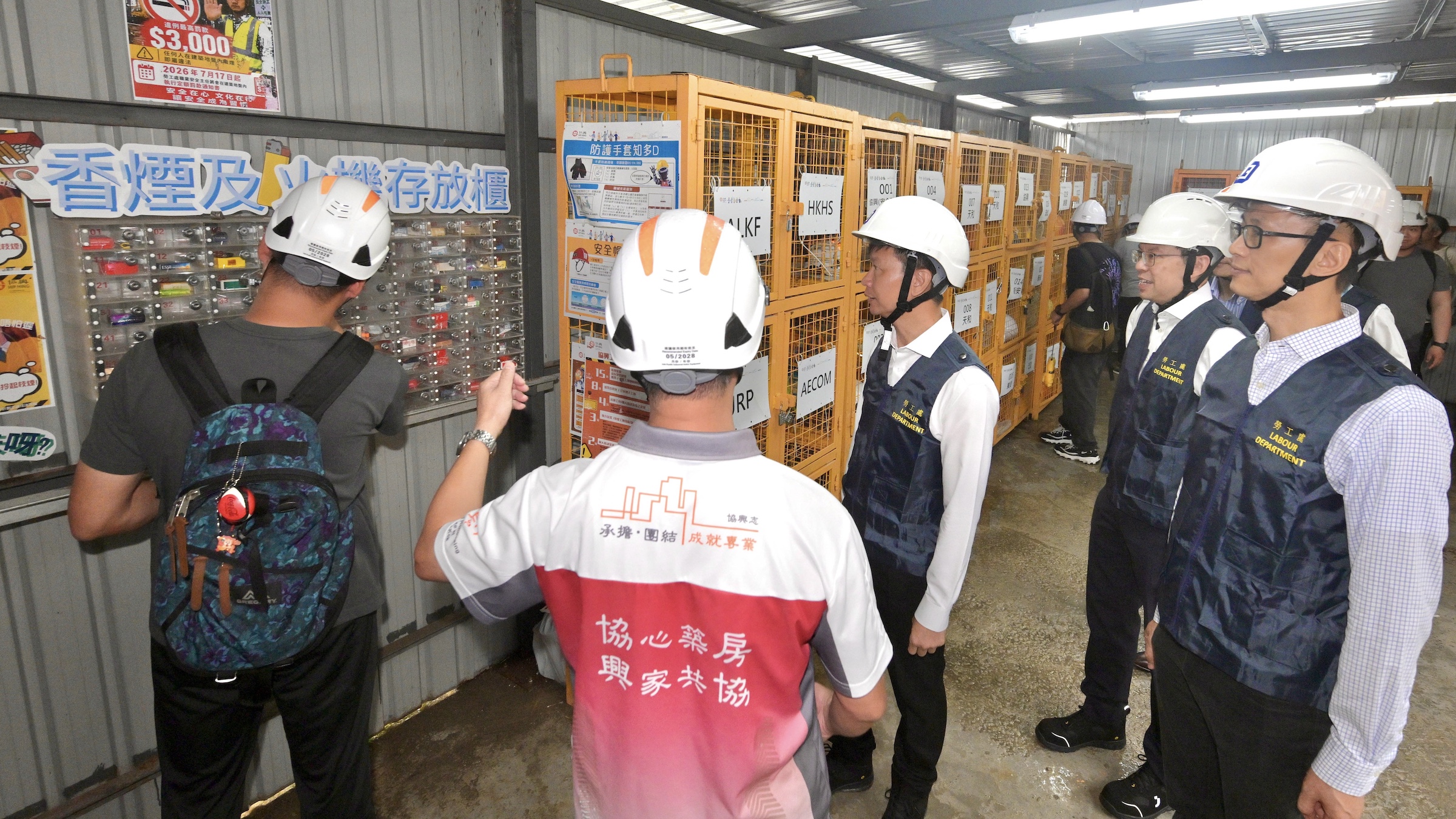
The Smoking (Amendment) Ordinance, which came into effect on 17 July 2026, represents not only a regulatory milestone but also a critical occupational health intervention. By designating all construction sites (including repair, maintenance, and renovation works) as smoke-free areas, and by imposing fixed penalties of HK$3,000 on individual offenders and fines of up to HK$400,000 on non-compliant contractors, the law establishes a clear framework for risk control. Beyond fire prevention, however, the medical implications of smoking in the construction workforce warrant particular attention.
Construction workers are already exposed to multiple occupational hazards, including dust, silica, asbestos, welding fumes, solvents, and heavy metals. Cigarette smoking acts synergistically with these exposures to significantly increase the risk of chronic obstructive pulmonary disease (COPD), lung cancer, and other respiratory illnesses. Smoking impairs mucociliary clearance, reduces lung function, and exacerbates inflammation in airways already irritated by occupational particulates. The combined exposure markedly elevates long-term morbidity and mortality compared with either risk factor alone.
Cardiovascular risks are equally concerning. Nicotine stimulates sympathetic activity, increases heart rate and blood pressure, and contributes to endothelial dysfunction. Construction work often involves strenuous physical exertion under heat stress; smoking further compromises oxygen delivery by increasing carbon monoxide levels in the blood, thereby reducing exercise tolerance and increasing the risk of acute cardiac events. From a clinical standpoint, smoking diminishes physical endurance, delays wound healing, and impairs immune response: factors that can prolong recovery from workplace injuries and increase absenteeism.
There are also important safety implications. Acute nicotine withdrawal during long shifts may lead to irritability, reduced concentration, and impaired judgment. In high-risk environments involving heights, heavy machinery, and hazardous materials, even minor lapses in attention can result in serious accidents. Thus, smoking is not merely a personal lifestyle choice but a modifiable occupational risk factor.
While strict enforcement is essential to ensure compliance, sustainable health improvement requires structured medical and educational support. Some non-local workers who do not speak Cantonese or Mandarin may face barriers in understanding health information and regulatory requirements; targeted multilingual health education is therefore necessary. At the same time, deeply nicotine-dependent local workers may require clinical intervention, including behavioural counselling, nicotine replacement therapy, or pharmacological support such as varenicline or bupropion, under appropriate medical supervision.
Integrating smoking cessation services into existing occupational health and safety programs would strengthen both preventive medicine and regulatory compliance. Regular health talks, onsite screening for respiratory function, and referrals to cessation clinics can transform the smoke-free mandate from a punitive rule into a comprehensive workplace health strategy.
Ultimately, the success of the smoking ban depends on a dual approach: consistent legal enforcement and medically informed education. By addressing both behavioural and physiological dimensions of tobacco dependence, the construction sector can reduce fire hazards, lower disease burden, and protect the long-term health and functional capacity of its workforce.
Reference:
Asfar, Taghrid, et al. "Integrating worksite smoking cessation services into the construction sector: opportunities and challenges." Health Education & Behavior 46.6 (2019): 1024-1034.
By Dr. Philip Wong
Fellow of the Chartered Institution of Highways & Transportation (FCIHT)
Member of the Royal Institution of Chartered Surveyors (MRICS)
Mr. Xiongyi Guo
Assistant Research Officer of Pan Sutong Shanghai-Hong Kong Economic Policy Research Institute, Lingnan University
Miss Zoe Hung
Assistant Project Officer of STEAM Education and Research Centre, Lingnan University
Miss Tiffany Wong
Medical student at Monash University
The views do not necessarily reflect those of Orange News.
Cover Photo: Information Services Department
責編 | 李永康
編輯 | Gloria
編輯推薦
-
![]()
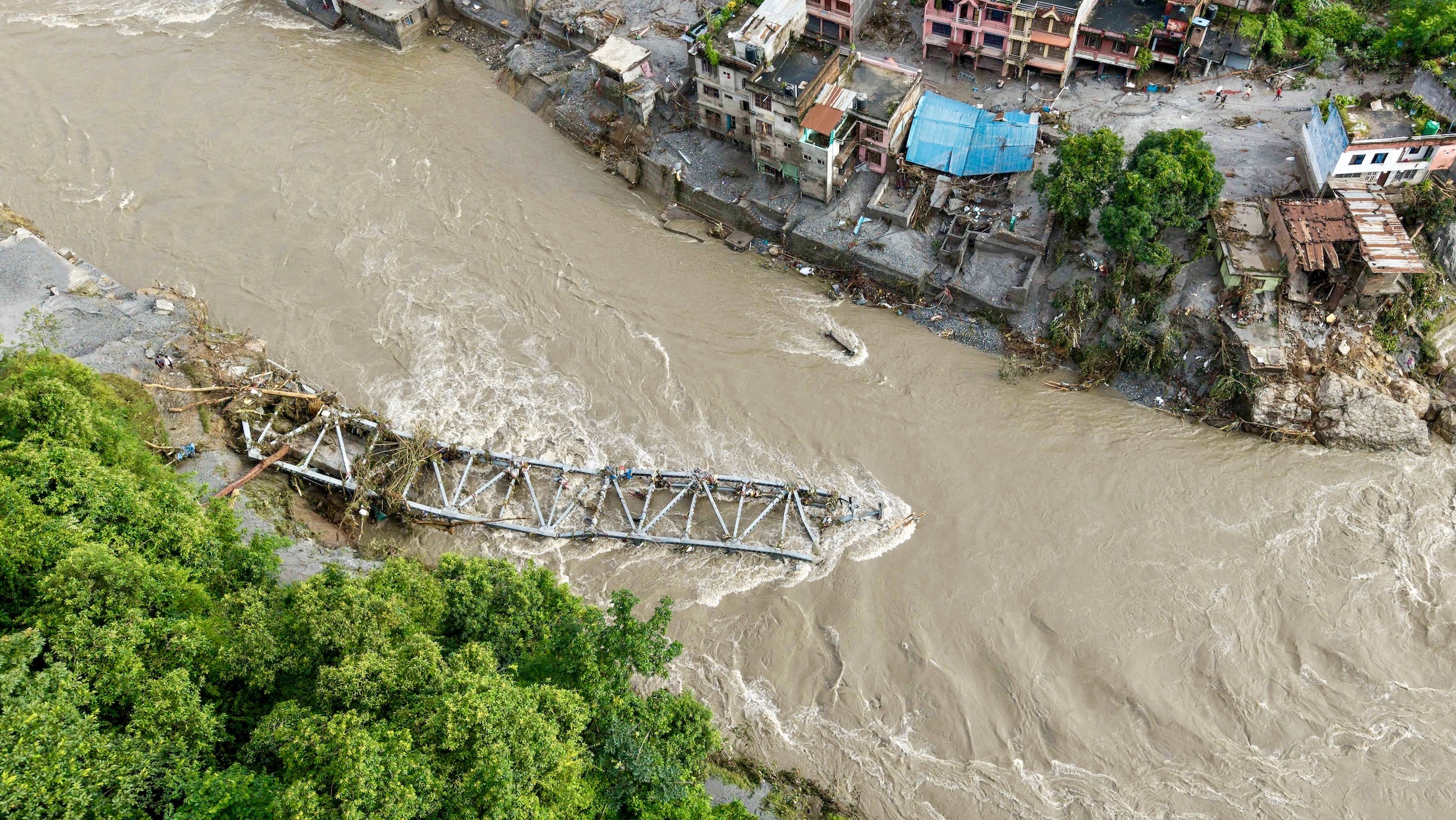
Opinion | Nepal’s Tragedy Reminds Hong Kong to Guard Against Landslide Risk
Opinion | 2026-09-04 15:45 -
![]()
Opinion | Health Plan Opportunity: From Clinic Care to Community Support
Opinion | 2026-09-01 15:56 -
![]()
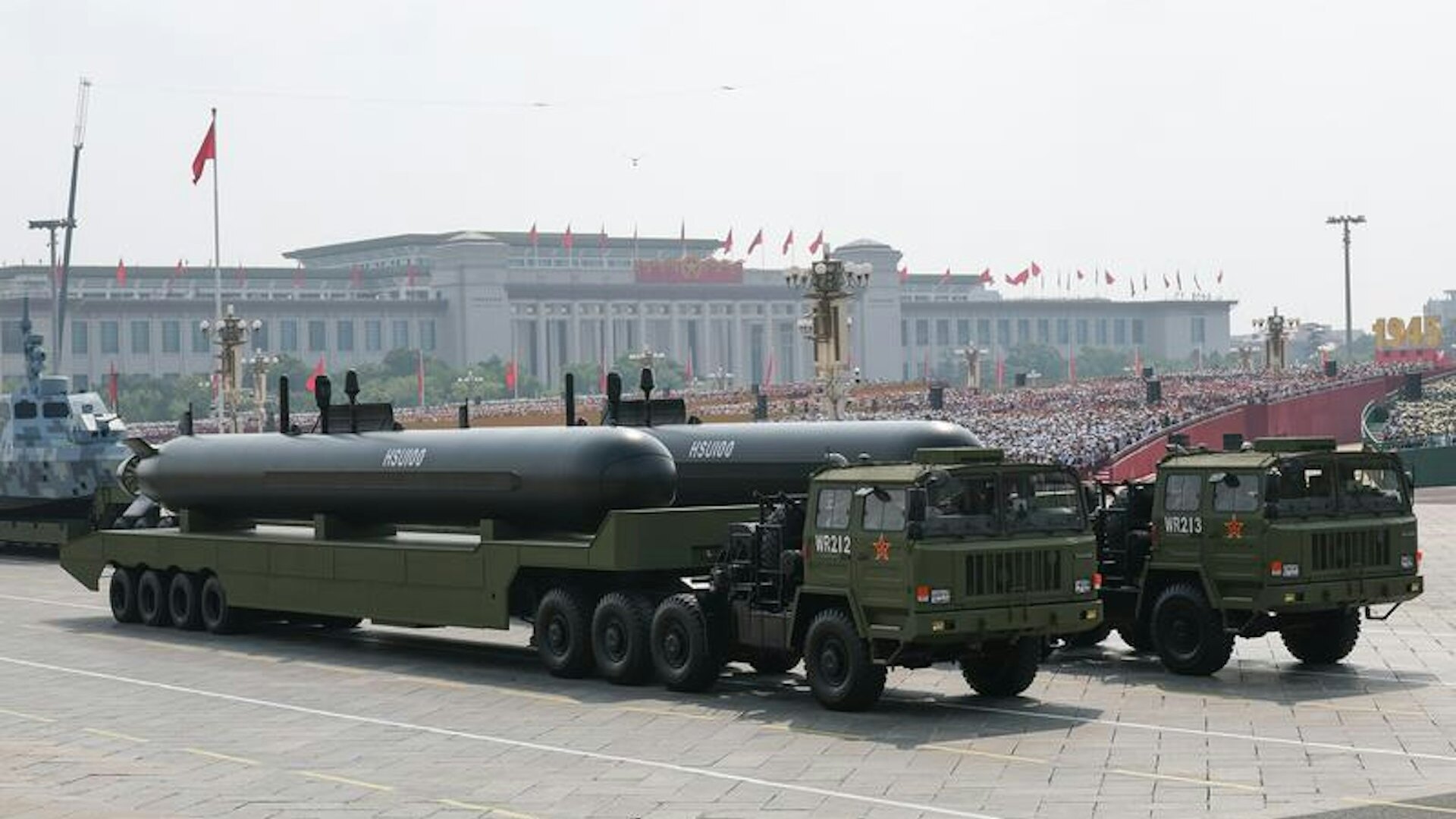
Opinion | From the Birth of Submarine to the Era of UUVs
Opinion | 2026-08-31 15:03 -
![]()
Opinion | Even an Extra Is an Actor: Stephen Chow and the Hong Kong We Need
Opinion | 2026-08-27 15:36 -
![]()
Opinion | Beyond Bailouts: Hongkong Post’s Real Test
Opinion | 2026-08-27 15:35 -
![]()
Opinion | Planning for Prosperity: Hong Kong’s Five-Year Start
Opinion | 2026-08-24 12:12


周末睇新聞|平陸運河首條外貿航線首艘貨船抵越南 世紀工程打通新通道

孫玉菡:料白領文職較大機會被AI取代 技能提升局將助轉型

內地知名音樂人劉歡病逝 享年63歲
國慶黃金周|警方加強打擊黑的劏客 派的士大使駐旅遊熱點