- Opinion | The New Year Begins: China’s Spring Festival and the World’s Celebrations
- Opinion
- 2026-02-23 11:12
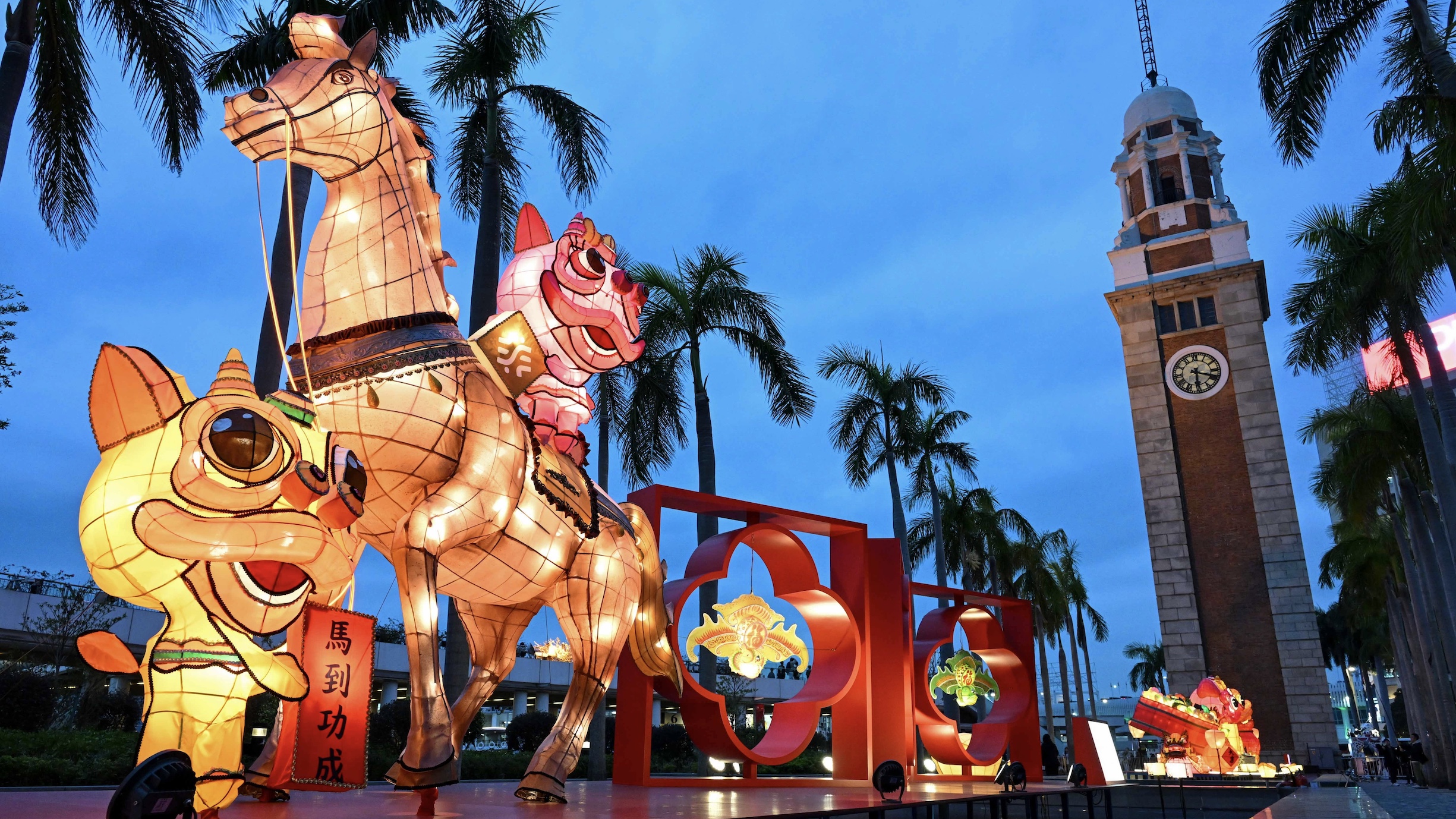
Gong Xi Fa Cai! As we celebrate Chinese New Year, it is a fitting moment to reflect on how different cultures greet the turning of the calendar. Across the world, New Year customs are vivid expressions of what people cherish most deeply: family, community, peace, and the promise of better days ahead. Among these traditions, China’s Spring Festival stands out for its warmth, cultural depth, and enduring emphasis on unity, not only within families, but increasingly in a broader sense of shared human connection.
In China, the New Year arrives not as a single night, but as a season of reunion. The annual migration of millions returning home, often described as the world’s largest human movement, transforms the holiday into a powerful reaffirmation of family bonds. No matter how far one has traveled for work or study, the New Year’s Eve dinner carries a symbolic gravity that transcends distance and time. Around tables filled with carefully prepared dishes, generations gather to recount stories, honor ancestors, and renew affection.
Homes glow with auspicious red, the color of happiness and good fortune. Doorways are adorned with spring couplets bearing poetic wishes for prosperity and harmony. Red envelopes, offered especially to children and younger relatives, convey not only blessings of wealth but also encouragement for growth and success. The foods themselves speak a symbolic language: dumplings resemble ancient ingots, suggesting abundance; fish signifies surplus and continuity; long noodles express hopes for longevity. Through these rituals, the Spring Festival weaves together memory, gratitude, and aspiration. It strengthens the intimate circle of the family while pointing toward a hopeful future.
Elsewhere in the world, the New Year is welcomed with equally meaningful customs. In Scotland, Hogmanay blends ancient and modern celebration. Torchlight processions illuminate winter streets, and communal singing creates an atmosphere of shared warmth. The tradition of “first-footing”, where the first visitor after midnight brings small symbolic gifts, reflects the belief that fortune is best shared, not kept. Even the bracing plunge of the Loony Dook, as participants leap into icy waters, becomes a spirited affirmation of resilience and camaraderie.
In Spain, as the clock strikes midnight, twelve grapes are eaten, one with each chime. The ritual adds a playful urgency to the transition between years. It is both lighthearted and symbolic, a reminder that time moves swiftly and that good fortune often requires attentiveness and good humor.
In Japan, the tone is quieter and more contemplative. During Joya no Kane, temple bells ring 108 times to symbolize the release of earthly desires and imperfections. The ceremony invites reflection and renewal. Rather than exuberance alone, it emphasizes inner clarity, suggesting that the new year begins not only in celebration, but in self-cultivation.
In Brazil, millions dressed in white gather along the shoreline. White represents peace and purification. As fireworks light the sky, many participants leap over seven waves, making wishes with each jump. The sea becomes both witness and partner in hope, blending spiritual symbolism with the grandeur of nature.
Despite their diversity, these traditions share a common purpose: to clear away what has weighed us down, to invite prosperity, and to begin again with open hearts. They offer societies a moment to reset, to forgive yesterday’s regrets and to choose hope over hesitation.
In contemporary discourse, particularly in China’s diplomatic language, the idea of a “community with a shared future for mankind” (人類命運共同體) has been articulated as a vision for greater international cooperation and mutual respect. While expressed in policy contexts, the spirit behind such a concept resonates naturally during the New Year season. Festivals remind us that humanity’s aspirations, for stability, dignity, development, and peace, are strikingly similar across cultures. The Spring Festival’s emphasis on reunion and harmony can thus be understood not only as a family-centred tradition, but also as a metaphor for broader interconnectedness in an increasingly interdependent world.
In an era marked by rapid change and uncertainty, these rituals matter. They anchor us in continuity while inviting renewal. They remind us that beyond language and geography, people everywhere seek connection, stability, and joy. Whether through fireworks, temple bells, icy swims, or shared meals, the message is consistent: we move forward together.
As the Spring Festival season begins, may its spirit of reunion and renewal inspire not just Chinese communities worldwide, but all who welcome a new year with sincerity. May the year ahead bring peace, health, and prosperity. And may the turning of the calendar encourage us to strengthen our families, our communities, and our shared sense of responsibility toward one another.
Dr. Philip Wong
Deputy Director of STEAM Education and Research Centre, Lingnan University
The views do not necessarily reflect those of Orange News.
Cover Photo: Information Services Department
責編 | 李永康
編輯 | Gloria
編輯推薦
-
![]()
Opinion | Nepal’s Tragedy Reminds Hong Kong to Guard Against Landslide Risk
Opinion | 2026-09-04 15:45 -
![]()
Opinion | Health Plan Opportunity: From Clinic Care to Community Support
Opinion | 2026-09-01 15:56 -
![]()
Opinion | From the Birth of Submarine to the Era of UUVs
Opinion | 2026-08-31 15:03 -
![]()
Opinion | Even an Extra Is an Actor: Stephen Chow and the Hong Kong We Need
Opinion | 2026-08-27 15:36 -
![]()
Opinion | Beyond Bailouts: Hongkong Post’s Real Test
Opinion | 2026-08-27 15:35 -
![]()
Opinion | Planning for Prosperity: Hong Kong’s Five-Year Start
Opinion | 2026-08-24 12:12




周末睇新聞|平陸運河首條外貿航線首艘貨船抵越南 世紀工程打通新通道
孫玉菡:料白領文職較大機會被AI取代 技能提升局將助轉型
內地知名音樂人劉歡病逝 享年63歲
國慶黃金周|警方加強打擊黑的劏客 派的士大使駐旅遊熱點