- Opinion | The 3P+T Approach: Unlocking Hong Kong's Potential as an International Knowledge Transfer Hub
- Opinion
- 2025-10-21 14:30
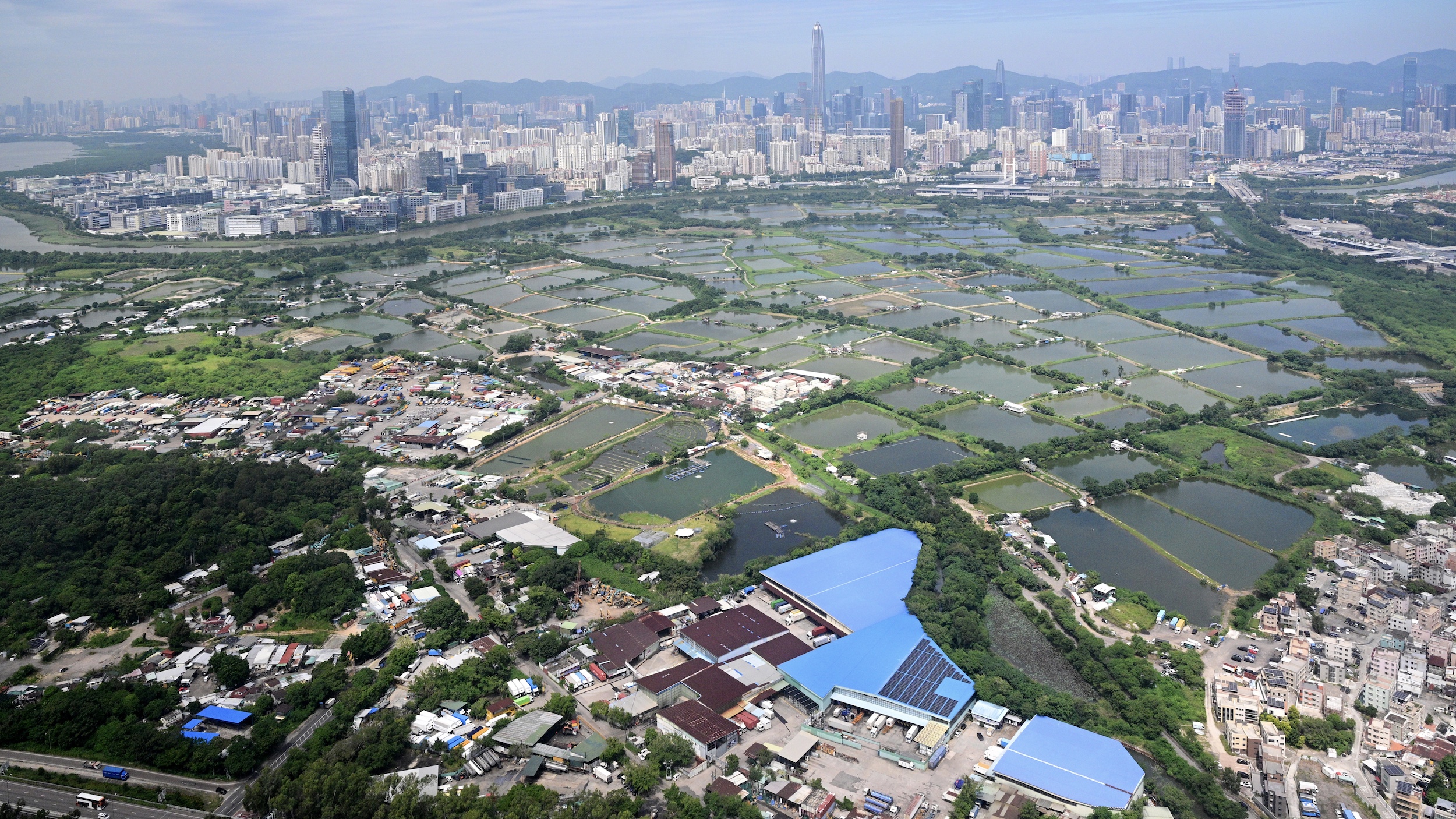
As Hong Kong continues to evolve as a global financial and trade centre, the development of the Northern Metropolis Area (NMA) presents a unique opportunity for the territory to solidify its position as a leading international knowledge transfer and education hub. The recent Policy Address has outlined a vision for an innovative, smart, and sustainable city, with the NMA at its forefront. By embracing a people-centric and process-oriented approach, dubbed the 3P+T framework, Hong Kong can harness the potential of this development to drive growth, foster cross-cultural exchange, and enhance its reputation as a premier destination for international knowledge transfer and education.
Hong Kong's education system is renowned for its diversity, with a range of international schools, private institutions, and publicly funded schools offering a broad spectrum of curricula. The city's higher education sector, exemplified by institutions like Lingnan University, is also highly regarded, attracting students from around the world. However, to further enhance its appeal, Hong Kong must focus on creating a welcoming and inclusive environment for international students, while also facilitating knowledge transfer among local and international institutions, industries, and communities.
Knowledge transfer is a critical component of Hong Kong's economic development, as it enables the city to leverage its expertise and innovation to drive growth and competitiveness. By facilitating the transfer of knowledge and expertise between universities, industries, and communities, Hong Kong can create a vibrant ecosystem that fosters innovation, entrepreneurship, and job creation. The 3P+T framework, which comprises Place, Process, People, and Technology, offers a holistic approach to knowledge transfer and education development in the NMA.
The framework's emphasis on People and Process is particularly critical in this regard. By prioritizing these two factors, Hong Kong can create a seamless and efficient experience for international students, educators, and researchers, while also facilitating the transfer of knowledge and expertise between local and international institutions, industries, and communities. Streamlining administrative procedures, such as admission, visa applications, and housing, can significantly enhance the student experience. The implementation of digital systems and one-stop services can reduce bureaucratic hurdles, minimize communication costs, and provide a more efficient and transparent experience for international students.
Policy reforms can also play a critical role in promoting Hong Kong as an international knowledge transfer and education hub. Expanding scholarship programs, relaxing student visa restrictions, and offering post-graduation employment opportunities can help attract top talent from around the world. Furthermore, initiatives that support knowledge transfer, such as collaboration between universities and industries, can help drive innovation and economic growth. For example, the establishment of research and development centres, innovation hubs, and technology parks can provide a platform for universities, industries, and communities to collaborate and transfer knowledge.
The NMA offers a unique opportunity for Hong Kong to create a dedicated international knowledge transfer and education zone or innovation hub, integrating education, research, and living spaces. By leveraging the area's proximity to Shenzhen and the planned transportation network, Hong Kong can establish a cross-border education and research platform, facilitating collaboration between local and international institutions, industries, and communities. This can lead to the creation of smart communities that combine learning, cultural exchange, innovation, and knowledge transfer, further enhancing Hong Kong's reputation as an international knowledge transfer and education hub.
In conclusion, the 3P+T framework offers a powerful approach to unlocking Hong Kong's potential as an international knowledge transfer and education hub. By prioritizing People and Process, Hong Kong can create a welcoming and inclusive environment for international students, streamline administrative procedures, and promote policy reforms that support the needs of educators, researchers, and industries. The development of the NMA provides a unique opportunity for Hong Kong to harness the potential of this approach, driving growth, fostering cross-cultural exchange, and solidifying its position as a leading global knowledge transfer and education hub.
By Dr. Philip Wong
Deputy Director of STEAM Education and Research Centre, Lingnan University
Mr. Xiongyi Guo
Assistant Research Officer of Pan Sutong Shanghai-Hong Kong Economic Policy Research Institute, Lingnan University
The views do not necessarily reflect those of Orange News.
Cover Photo: Information Services Department
責編 | 李永康
編輯 | Gloria
編輯推薦
-
![]()
Opinion | Nepal’s Tragedy Reminds Hong Kong to Guard Against Landslide Risk
Opinion | 2026-09-04 15:45 -
![]()
Opinion | Health Plan Opportunity: From Clinic Care to Community Support
Opinion | 2026-09-01 15:56 -
![]()
Opinion | From the Birth of Submarine to the Era of UUVs
Opinion | 2026-08-31 15:03 -
![]()
Opinion | Even an Extra Is an Actor: Stephen Chow and the Hong Kong We Need
Opinion | 2026-08-27 15:36 -
![]()
Opinion | Beyond Bailouts: Hongkong Post’s Real Test
Opinion | 2026-08-27 15:35 -
![]()
Opinion | Planning for Prosperity: Hong Kong’s Five-Year Start
Opinion | 2026-08-24 12:12

有片|屯門4狗拆車扯甩車頭泵把 警列「流浪動物」處理
丘應樺:外商對港營商環境非常有信心 利雅得設經貿辦受地緣政治影響或稍慢
高市早苗聯大演說籲刪除憲章「敵國條款」 承諾持續支援烏克蘭
元朗狗咬人|漁護署警方聯合行動 再捕捉兩隻無人看管唐狗扣留觀察