- Opinion | Northern Metropolis Development in Hong Kong: Opportunities and Challenges
- Opinion
- 2025-10-13 17:19
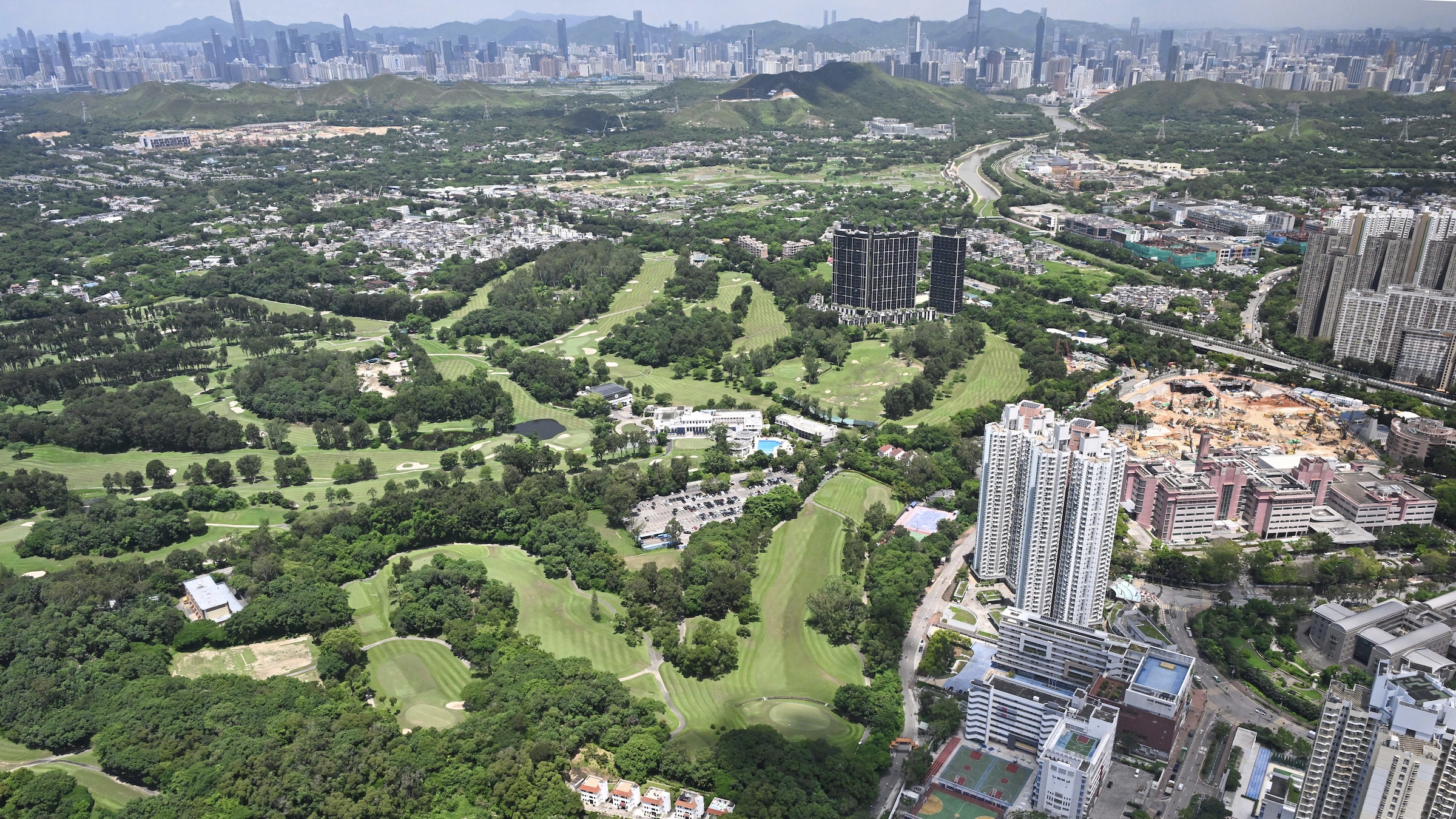
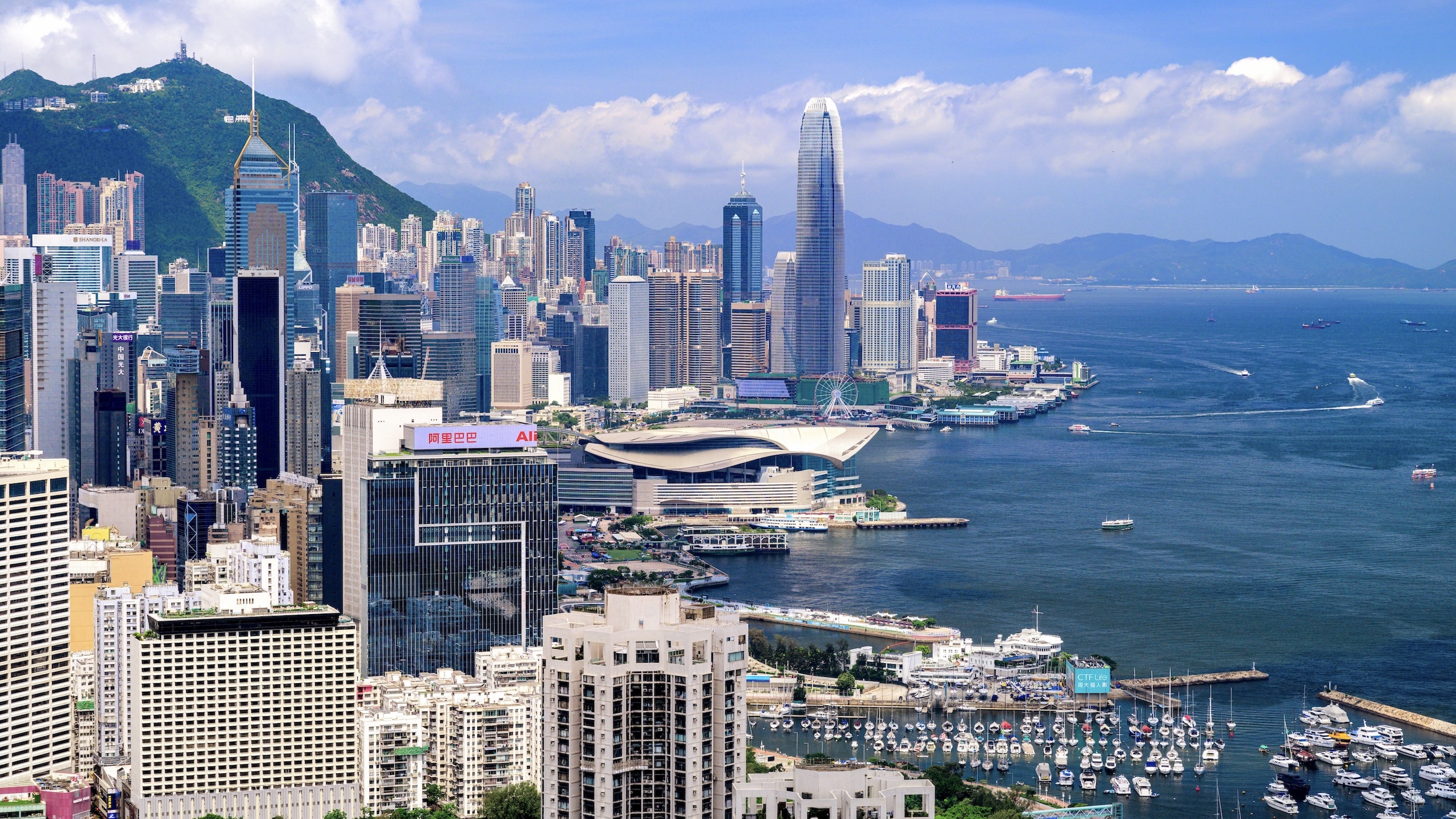
The Hong Kong SAR Government recently announced a comprehensive plan to advance the development of the Northern Metropolis, an ambitious project poised to become a key driver of economic growth for the city. Covering approximately one-third of Hong Kong’s total land area, the Northern Metropolis spans Yuen Long and North Districts and is expected to deliver over 3,000 hectares of new development land. This project aims to expand residential capacity and economic activities, transforming the region into a vital economic powerhouse. To ensure the project achieves both efficiency and quality, the "3P+T" framework: Place, Process, People, and Technology—proposed by the International Facility Management Association (IFMA) offers a robust foundation. However, the project faces several substantial challenges that need to be addressed. Among these, five critical issues require particular attention.
One major challenge is achieving efficient land use while avoiding planning conflicts. The Northern Metropolis includes multiple new development areas, but balancing residential, commercial, technology parks, and public spaces remains a significant difficulty in Hong Kong’s urban planning. Poorly planned or inefficient land allocation could result in resource wastage or overdevelopment. This is particularly concerning in areas such as Sha Po Marsh, Deep Bay, and Lau Fau Shan, which hold significant ecological and tourism value. Missteps in land planning could harm these natural resources, igniting public backlash. Achieving a careful balance between economic growth and environmental conservation requires clear priorities and meticulous planning.
Transport infrastructure is another critical issue. The Northern Metropolis’s success hinges on a robust transport network, but the current infrastructure is insufficient to meet future demand. Although the 2023 Northern Metropolis Action Agenda outlines plans for railways, highways, and smart transport systems, these projects will take time to complete. In the meantime, residents may face inadequate commuting options. Moreover, cross-border connectivity with Shenzhen introduces another layer of complexity. Differences in governance systems and planning practices between Hong Kong and Shenzhen could hinder seamless integration. To ensure timely development, authorities must focus on creating a high-capacity, rail-based transport network while improving cross-border coordination to enhance regional connectivity.
Administrative inefficiencies also pose a significant challenge. Hong Kong’s large-scale development projects are often delayed by lengthy procedures for land leasing, construction permits, transport and environmental impact assessments. Given the scale of the Northern Metropolis, such inefficiencies could threaten both timelines and progress. To address this, the government must digitize and streamline administrative processes. Applying artificial intelligence and big data in approval workflows could significantly reduce human and time costs. A digital system could monitor project progress and costs, ensuring smooth execution across all phases.
A further concern is the potential disconnect between infrastructure design and community needs. In past urban expansions, such as the early phases of Tin Shui Wai, a lack of commercial and social amenities earned these areas the label of "bedroom communities," where residents had limited access to local services and opportunities. The Northern Metropolis must avoid repeating these mistakes by placing user needs at the centre of design. Public spaces, transportation hubs, and cultural venues should be inclusive, catering to people of all ages and physical abilities. Vibrant, interactive spaces such as parks, plazas, and cultural areas could foster community cohesion and enhance livability. Public engagement will be crucial in this process. By involving residents through consultations and forums, the government can ensure that infrastructure aligns with the population’s real needs.
The adoption of technology and equitable resource distribution also present challenges. Smart city technologies, such as Building Information Modeling (BIM), Internet of Things (IoT) devices, and renewable energy systems, are vital to the Northern Metropolis’s development. However, Hong Kong’s progress in these areas has been relatively slow. BIM technology, which could enhance decision-making across the construction lifecycle, is not yet widely adopted. Renewable energy solutions like solar and wind power, along with smart grids, require greater attention and investment. Furthermore, the uneven distribution of technological resources could exacerbate regional inequalities. It is crucial to ensure that smart city technologies benefit all residents, including elderly and disadvantaged groups, instead of being concentrated in upscale business districts. Bridging this digital divide is essential for creating an inclusive and equitable metropolis.
The Northern Metropolis is a bold vision that holds immense potential for shaping Hong Kong’s future, but it also faces significant challenges. Issues such as land use efficiency, transport infrastructure, administrative processes, community engagement, and technology adoption highlight the complexities of such an ambitious initiative. However, these challenges also present opportunities for innovation, collaboration, and systemic reform. With the IFMA-proposed "3P+T" framework and fostering cooperation among the government, professional stakeholders, and the public, Hong Kong can transform the Northern Metropolis into a global model of sustainable, efficient, and inclusive urban development. Tackling these challenges with good planning will ensure that the Northern Metropolis delivers on its promise as a vibrant and thriving community for future generations.
By Dr. Philip Wong
Deputy Director of STEAM Education and Research Centre, Lingnan University
Mr. Xiongyi Guo
Assistant Research Officer of Pan Sutong Shanghai-Hong Kong Economic Policy Research Institute, Lingnan University
The views do not necessarily reflect those of Orange News.
Cover Photo: Information Services Department
責編 | 李永康
編輯 | Gloria
編輯推薦
-
![]()
Opinion | Nepal’s Tragedy Reminds Hong Kong to Guard Against Landslide Risk
Opinion | 2026-09-04 15:45 -
![]()
Opinion | Health Plan Opportunity: From Clinic Care to Community Support
Opinion | 2026-09-01 15:56 -
![]()
Opinion | From the Birth of Submarine to the Era of UUVs
Opinion | 2026-08-31 15:03 -
![]()
Opinion | Even an Extra Is an Actor: Stephen Chow and the Hong Kong We Need
Opinion | 2026-08-27 15:36 -
![]()
Opinion | Beyond Bailouts: Hongkong Post’s Real Test
Opinion | 2026-08-27 15:35 -
![]()
Opinion | Planning for Prosperity: Hong Kong’s Five-Year Start
Opinion | 2026-08-24 12:12

元朗狗咬人|議員倡將棕地納入建築地盤養狗守則 限制倉庫等看門狗活動範圍

圍爐‧張淑芬EP2|內地企業首選從香港「走出去」 「拼船出海」開拓新興市場
有片|簡啟恩回顧執法工作:軟對抗更趨隱蔽 國安工作全方位推進

採訪禁令引傳媒反彈 霍士等主要電視台叫停聯訪特朗普聲援CNN